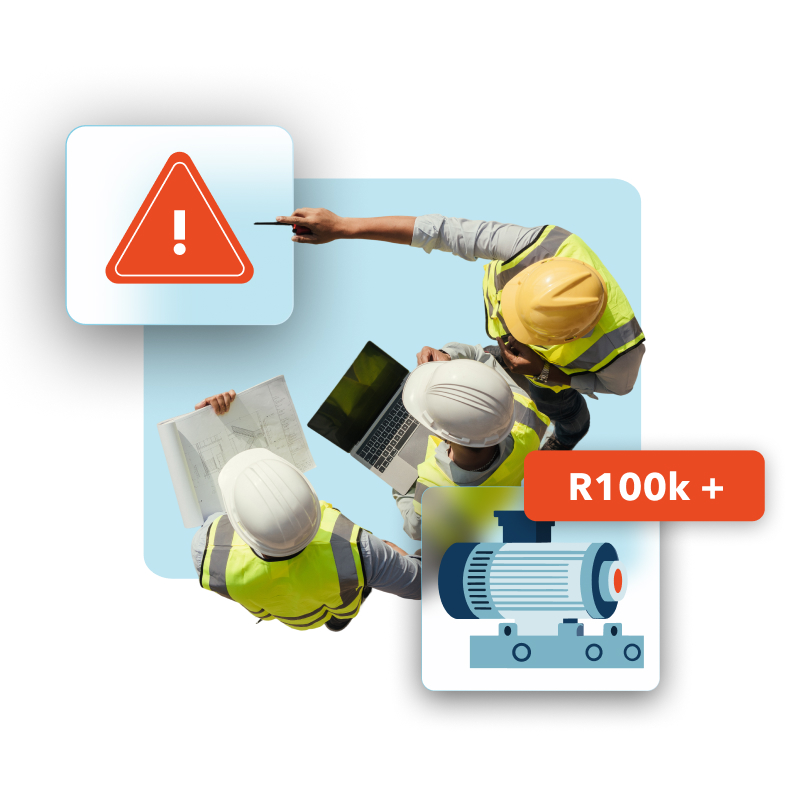
One Pump. One Machine Tool. One Generator. One Stove. That's All It Takes to Make You an Accountable Institution. If your business sells even a single piece of equipment or machine valued at R100 000 or more, you need to read this.
One physical item sold at R100 000 or more is enough to classify your business as a High-Value Goods Dealer (HVGD) under the Financial Intelligence Centre Act (FICA). This classification carries the same compliance obligations as a financial services company.
Most equipment and machinery dealers we speak to have no idea that a single sale could trigger these obligations.
The enforcement numbers are real
The FIC conducted 556 inspections in the 2024/25 financial year. Of those inspected, 330 were found to be non-compliant and ordered to implement remedial action. Fines for non-compliance can reach R50 million, and the reputational damage from a public reprimand can be far more costly.
With South Africa's upcoming FATF mutual evaluation in 2026–27, regulators need to demonstrate that enforcement is working in practice. That means more inspections, stricter penalties, and a specific focus on sectors that have historically flown under the radar.
What does FICA actually require from your business?
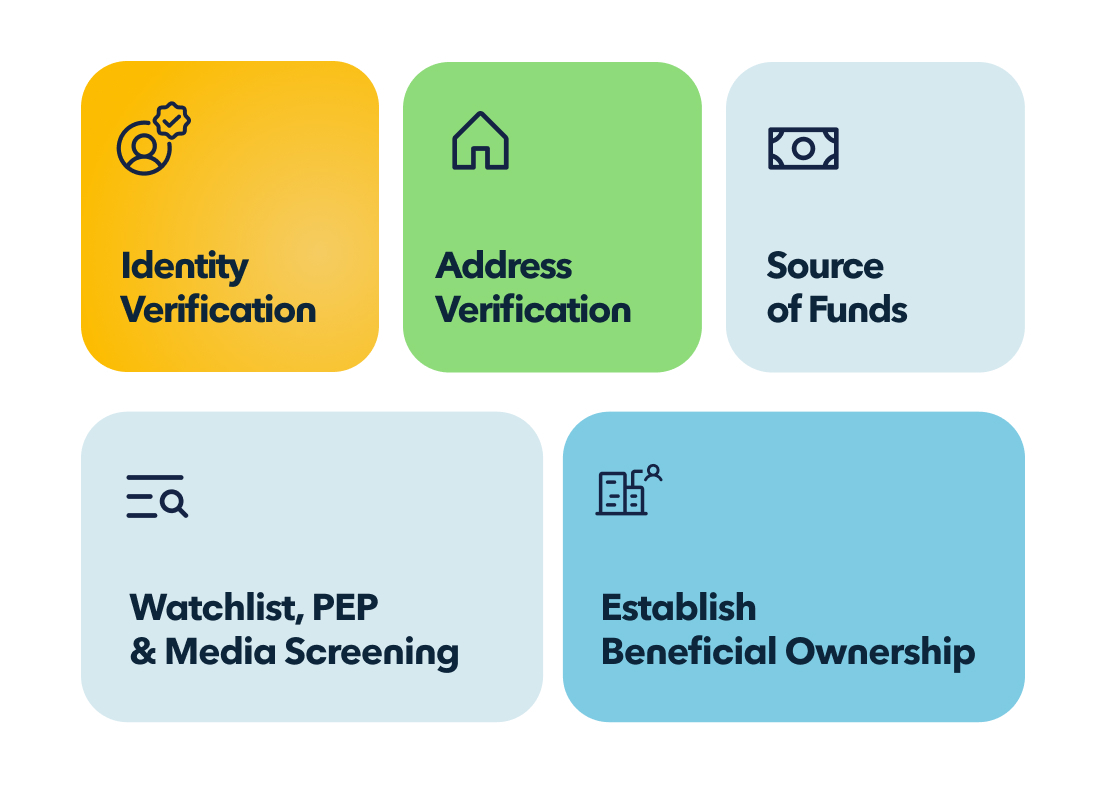
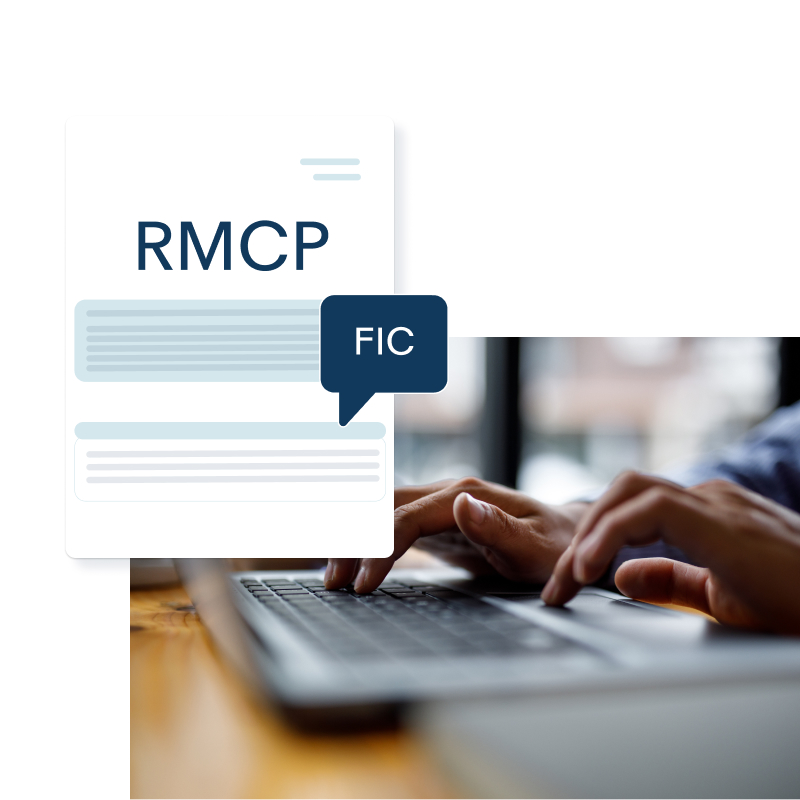
As an HVGD, your business must have a documented Risk Management and Compliance Programme (RMCP) that's been approved by your Board or senior management. Every qualifying transaction requires Customer Due Diligence (CDD), which means verifying your client's identity, understanding who you're doing business with, and assessing the risk they present. You need to screen every client against sanctions lists and check whether they're a politically exposed person (PEP) or a close associate of one. You're required to keep proper records of every verification and screening result. And where a transaction looks suspicious, you have a legal obligation to file a report with the FIC. Read more about the other key FICA obligations you must meet here.
"But I only sell a few high-value items a year". It doesn't matter whether you process 10 transactions a month or 10 a year. If a single sale crosses the R100 000 threshold, you are classified as an HVGD and must comply with FICA in full.
This is where most equipment and machine dealers get frustrated. The obligations sound like they belong in a bank, not on a factory floor or in a sales office. But they apply to you in exactly the same way.
For a busy with no dedicated compliance function, this can feel like an impossible ask. Which is exactly the problem nCino KYC Africa was built to solve.
Built for all types of businesses
nCino KYC provides both the software and the compliance expertise to get your business FICA-compliant, without you needing to become a compliance specialist. We work with various equipment, machinery, engineering and electronics businesses across South Africa, from industrial kitchen suppliers, renewalable energy providers, pump suppliers and machine tool dealers to crane companies and transformer manufacturers.
Our platform handles the verification, screening, risk rating, and record-keeping. Our compliance team handles the questions, the tricky scenarios, and the guidance you need to stay on the right side of the law.
nCino KYC fits into how you already onboard clients
Here's the good news: you don't need to build a compliance department from scratch or bolt on a separate process that slows everything down.
Your business already has a way of onboarding new clients, and there's already a moment in each of these processes where you collect client information before a deal goes through. With nCino KYC Africa, you can build your FICA requirements into that moment.
For businesses who deal with corporate buyers, or complex ownership structures, this is especially valuable. Beneficial ownership verification, PEP screening, and risk assessments can be managed within the system and won’t require finance or sales team to become FICA specialists.
Here's what that looks like in practice:
Document free verification built into onboarding. When a new business client comes through, the platform can manage related parties digitally. Company registration details, director information, beneficial ownership, all captured and verified as part of the same onboarding flow.
Simple enough for your sales and finance teams. Your people don't need a compliance background. The platform guides them through verification and screening as part of their normal client's onboarding workflow, so FICA compliance happens alongside the work they're already doing.
Expert compliance support. Not sure whether a transaction needs to be reported? Dealing with a complex ownership structure, a trust, a holding company, or a government tender? Our compliance team is on hand to guide you through it. You don't need to be a FICA expert. We are.
Complete audit trail. Every verification, every screening result, every risk rating, captured, stored, and ready for inspection. When the FIC comes knocking, your records are in order.
Don't wait for the FIC to tell you
The biggest risk right now isn't a bad quarter or a delayed shipment. It's being caught non-compliant in a regulatory environment that's tightening by the month.
If you're not sure whether your business qualifies as an HVGD, or you know it does but haven't taken action yet, now is the time.
Get in touch with nCino KYC Africa today. We'll assess your compliance position, walk you through what's required, and show you how to get it done without disrupting your operations.